-
Responsible Management
Responsible Management
Explore this section to find information and resources designed to support managers and regulators
-
Preparing for a trip
Preparing for a Trip
Explore this section to find information and resources useful to anyone interested in learning more about responsible whale watching throughout the world
-
Industry support
Industry Support
Explore this section to find information and resources useful to whale watching tour operators and guides or other industry professionals
-
Species information
Species Information
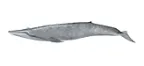
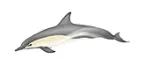
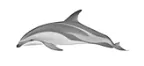
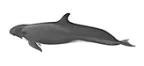
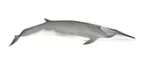
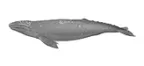
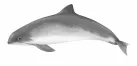
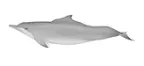
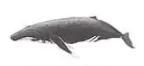
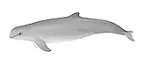
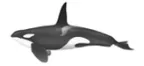
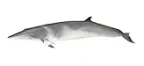
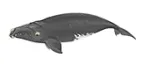
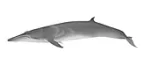
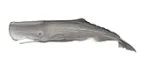
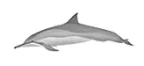
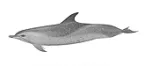
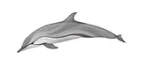
Click on one of the icons to the right to reveal a full description of the species with photos and labeled illustrations useful for species identification, as well as information on biology, ecology and conservation status of each species. Click here to find downloadable PDF fact sheets for each of the species featured on this site.


History and context
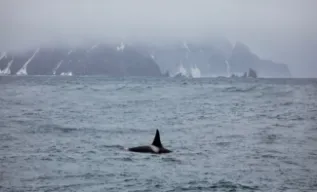
People literally travel to the ends of the earth to go whale watching. During the Austral summer (late October – March), many Southern Hemisphere whales can be found taking advantage of the incredible productivity of the waters surrounding the Antarctic continent. Humpback and minke whales are present in large numbers particularly towards the end of the season, feasting on the abundance of krill. Killer whales are common and other species such as blue, fin, sei, southern right and sperm whales are also present, although less regularly observed.
Live-aboard cruises to the Antarctic afford tourists an opportunity to see whales and other wildlife in one of the most remote and awe-inspiring settings imaginable. The number of vessels and tourists visiting the Southern Ocean has increased steadily since 1991, at an average annual rate of at least 16%1. In the 2016/17 tourist season, 44,367 individuals visited the Antarctic for tourism purposes2. The number of operators offering Antarctic tours has increased from 10 in 1992/3, to 38 in 2016/17; the number of vessels from 12 to 47; and the number of cruises from 50 to 2982. An estimated 348 cruises are expected to take place in the Antarctic in the 2017/18 season2.
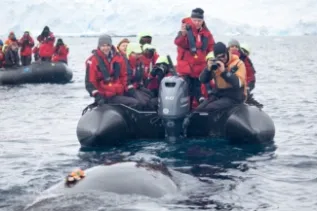
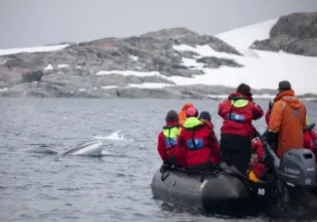
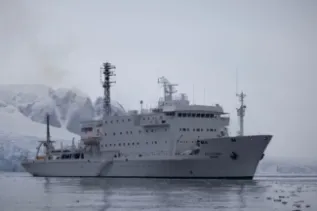
Cruises to the Antarctic take place on different types of vessels, ranging from small sailing or motor vessels (carrying fewer than 12 passengers) to (more commonly) larger expedition cruise ships carrying up to 500 passengers. These use smaller, motorized inflatable boats or rigid hulled landing craft to take passengers to view shore-based wildlife, or approach whales and other wildlife at sea. A few ‘cruise only’ ships carrying more than 500 passengers are not allowed to land passengers, limiting tourists to view wildlife from the more remote decks of the ship.
Most cruises depart from southern ports in South America, such as Ushuaia (Argentina), Punta Arenas (Chile) or Montevideo (Uruguay), and focus their tours on the northern tip of the Antarctic Peninsula. These cruises can include visits to the nearby Falkland Islands (Islas Malvinas) and South Georgia. Alternatively, a smaller number of cruises depart from Hobart, Australia or Lyttelton or Bluff, New Zealand and take tourists to the Ross Sea on the other side of the continent of Antarctica. A very small number of tours at the start or the end of the season begin in Cape Town or Port Elizabeth (South Africa. In recent years, the use of an airstrip at King George Island
has been used to eliminate 24-48 hours of travel time across the Drake Passage to and from Antarctic waters. However, flights are restricted by weather conditions and can be unreliable, wreaking havoc with tour schedules when they are not available. Cruises typically last between 10 days and 3 weeks, with the average cost in 2008 estimated to be over 6,000 USD per person. Tours usually combine a number of elements, including visits to penguin and seal and bird nesting colonies, visits to scientific field stations, hiking, and, of course, whale watching. It has been estimated that roughly 13% of time during all Antarctic cruises is dedicated to whale watching1.
Antarctic cruises as platforms of opportunity for research
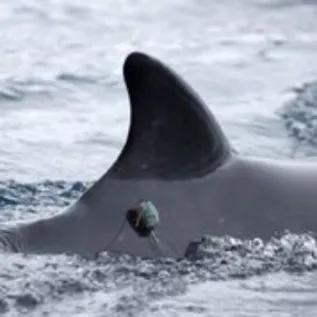
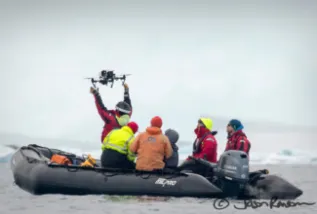
A number of the operators offering Antarctic cruises place greater emphasis on whale watching and whale conservation by partnering with respected whale researchers, offering them free passage and the opportunity to conduct studies during their cruises3. This partnership has been a boon for the tour operators, who can offer their clients the opportunity to interact with experts and see how real conservation-based whale research is conducted. It has also benefited researchers, who gain access to extremely remote areas that play an incredibly important role in many whale populations’ life cycles. Trained scientific observers can collect sightings data in a rigorous manner that allows mapping of species’ distribution and calculation of abundance estimates4. Hosting researchers on tour vessels also provides opportunities to observe and describe the morphology and behaviour of whale populations5, collect biopsy samples for genetic analysis5, deploy satellite tags on whales to measure their movement and dive behaviour over time, or collect drone footage or aerial photographs to monitor their behaviour and body condition (work still in progress as this is being written!).
Antarctic cruises can also serve as platforms of opportunity for citizen science. Few individuals have access to the remote waters of the Southern Ocean, and there is an urgent need to better understand how many whales are using the region, and what their connections are to known winter breeding grounds. Increasingly Antarctic tour guides and tourists themselves are contributing to the body of data needed to answer these questions by contributing their sighting data and photographs to central databases that are used by scientists to map (seasonal) whale distribution and conduct photo-identification and mark-recapture studies6.
Regulatory measures
In 1991, recognizing that increasing levels of tourism could have serious environmental impacts on one of the last pristine habitats on Earth, seven private tour operators conducting excursions in Antarctica joined together to form the International Association of Antarctica Tour Operators (IAATO). With over 100 members today, IAATO has established ‘procedures and guidelines that ensure appropriate, safe and environmentally sound private-sector travel to the Antarctic: regulations and restrictions on numbers of people ashore; staff-to-passenger ratios; site-specific and activity guidelines; wildlife watching; pre- and post-visit activity reporting; passenger, crew and staff briefings; previous Antarctic experience for tour staff; contingency and emergency medical evacuation plans; and more.’ (https://iaato.org/what-is-iaato).
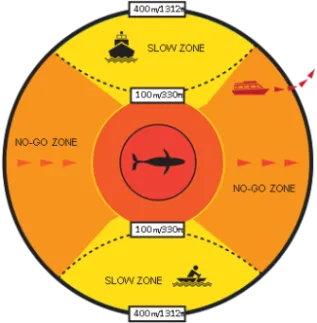
These measures include detailed guidelines on how to view whales and dolphins which were adapted from guidelines in the US and Australia3. They include detailed approach and conduct guidelines and are designed to minimize disturbance to the whales that are being watched. In general, operators appear to be keen to respect these guidelines and ensure that their guests do as well. A condition of IAATO membership is that guides are trained to a minimum standard, which should include training in cetacean viewing and approaches. However, whales in the Antarctic, particularly humpback whales, are often less habituated to the presence of vessels than those found in nearshore coastal waters of popular whale watching areas in the rest of the world. Some researchers and observers feel that these whales are more ‘naïve’ and curious around vessels, and more likely to approach them closely, challenging vessel operators to respect the 100m minimum distance rule. There have been no studies conducted to examine rates of compliance with the IAATO guidelines, or to measure the impact of whale watching activities on whales in the Antarctic.
Lessons learned and recommendations for the future
The growth in Antarctic tourism does not show any signs of slowing. As with all forms of whale watching, those responsible for its management need to be ever mindful of the balance between the possible benefits of whale watching tourism in the Antarctic and the potential negative impacts if it continues to expand.
Potential benefits of whale watching in the Antarctic:
- Tourists visiting the Antarctic tend to be a self-selected group of well-educated individuals who value nature and wildlife, and are willing to spend a considerable amount of time and money to immerse themselves in it. After spending a week or more focused on wildlife in the Southern Ocean, these individuals often become avid advocates for wildlife and conservation, helping to raise awareness and sometimes funding for conservation and protection.
- Tour operators who host researchers on their vessels create opportunities for conservation-based research that might not otherwise be possible. The opportunity for a research team to make repeated visits with cruises to the same area several times over a season is actually more suitable to address some research questions (e.g. monitoring whales’ body condition over the course of a feeding season) than the format of most traditional research cruises which traverse larger areas of the region over shorter time periods.
- Increasingly, technology is facilitating citizen science contributions from Antarctic cruises. Various smartphone apps and websites allow guides and tourists from Antarctic cruises to upload their humpback whale tail fluke photos and/or other photos and whale and dolphin sighting data to central data repositories. Researchers can access this data to conduct photo-identification studies that match individual whales observed in the Antarctic to photos taken of them on their breeding grounds, or to generate a population estimate using mark-recapture methods6. In some cases, with coordinated and systematic efforts, citizen science sightings data can even be effectively used to detect population trends7.
Recommendations for future whale watching in the Antarctic
- The current IAATO guidelines for whale watching in the Antarctic are based on those developed for whale populations in other parts of the world. It would be useful to conduct studies to ensure that these guidelines are appropriate for the whale populations and the conditions in the Antarctic. These studies could focus on rates of compliance with the guidelines, and whales’ reactions to vessel approaches, following established methods from studies conducted elsewhere8-11. Results could be used to adapt the IAATO guidelines if necessary. With Southern Hemisphere humpback whale populations increasing at such high rates12,13, many of the whales encountered during Antarctic tours are likely to be relatively young and inexperienced with vessels, providing a unique opportunity to establish baseline studies on the progression of humpback whale responses to vessels over time.
- The growing number of cruises to the Antarctic will hopefully also provide a proportional increase in the number of whale-specific research opportunities. Reaching Antarctic waters is extremely costly. At a time when funding for almost all types of marine mammal research is increasingly difficult to find, tour operators have an opportunity to make a tremendous contribution to the understanding of, and conservation of one of the resources upon which their business relies3.