-
Responsible Management
Responsible Management
Explore this section to find information and resources designed to support managers and regulators

-
Preparing for a trip
Preparing for a Trip
Explore this section to find information and resources useful to anyone interested in learning more about responsible whale watching throughout the world
-
Industry support
Industry Support
Explore this section to find information and resources useful to whale watching tour operators and guides or other industry professionals
-
Species information
Species Information
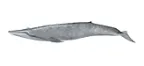
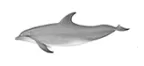
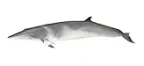
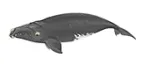
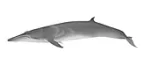
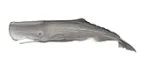
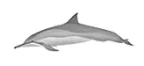
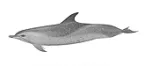
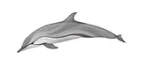
Click on one of the icons to the right to reveal a full description of the species with photos and labeled illustrations useful for species identification, as well as information on biology, ecology and conservation status of each species. Click here to find downloadable PDF fact sheets for each of the species featured on this site.


History and context
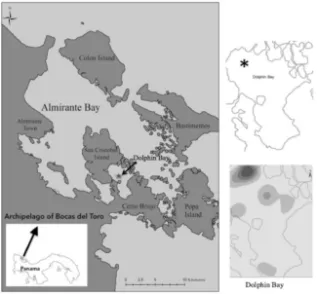
The Archipelago of Bocas del Toro hosts one of the most popular dolphin watching industries in Panama. Located on the Caribbean coast of Panama, the area includes 9 main islands, and more than 200 smaller islets and mangroves covering an area of roughly 650 km². The permanent population of the area is approximately 125,500, most of whom live on the main island of Isla Colon1. During its colonial history, the Bocas del Toro region engaged in cash crop agriculture for bananas, sugar cane and cocoa, but the region’s main income-generating industry today is tourism. Tourists from all over the world come to the area to enjoy its beaches, coral reefs and mangroves which host nesting turtles and are recognized as a RAMSAR site1.
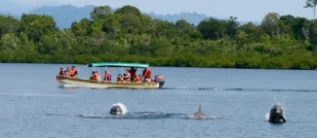
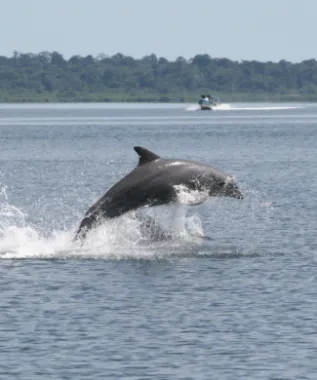
Tourists are mostly international, with a significant proportion from the United States2, and arrive to the main city on the island of Colon by air on a Caribbean cruise ship3. For many years local tourism companies have offered day-long boat trips through the mangroves and around the islands, including opportunities for tourists to snorkel on reefs and view tropical wildlife (birds, frogs, monkeys) in the mangrove forests1. From roughly 2000 onward, these tours began to include an element of dolphin watching, focusing on a resident group of bottlenose dolphins reliably found in the heart of the mangrove islands in a semi-enclosed cove known as Dolphin Bay1,2,4. Tours almost all start and finish at the same time, leaving the island of Colon at roughly 9:30 and returning in the mid-afternoon. Tours are mostly conducted on open-decked fiberglass or wooden boats between 6 and 9 meters long using 75-90 horse power outboard engines and driven by local boat captains with a relatively low level of education and a high rate of turnover3. While most tours are offered by commercial operators, private residents and hotels with boats also conduct tours2.
Photo-identification studies have shown that dolphins in the area are genetically isolated from other Caribbean bottlenose dolphins5, and that there are two communities of dolphins using the Bocas Del Toro area, which collectively number fewer than 100 individuals6. Of these, roughly half are wide spread throughout the region and show low levels of residency, while an estimated 37 individuals show high fidelity to Dolphin Bay, where they are frequently observed and recognized by the distinctive notches and scarring on their dorsal fins6. The inner part of Dolphin Bay has also been shown to be most frequently used by mothers and calves, which have become a specific target of the dolphin watching industry6.
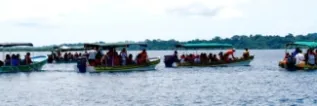
Between 2004 and 2013 there was a sharp increase in tourism in the Bocas del Toro area, and specifically an increase in dolphin watching activity4. One study conducted during low season documented that during 42% of the time that dolphins were under observation, 3 to 15 boats were present around one group of dolphins3,7. On one occasion during the ‘low season’ of 2012, as many as 40 vessels were observed around a single group of dolphins, and estimates are that this could rise to as many as 100 boats per day during the high season4. The intense pressure on this small group of dolphins has been linked to a minimum of 9 dolphin deaths deemed to be caused by vessel collisions or propeller injuries in 2012-2013 alone8. Many other individuals in the small population bear scars indicative of interaction with vessels, as well as a variety of skin lesions and pathologies thought to be linked to stress8-10.
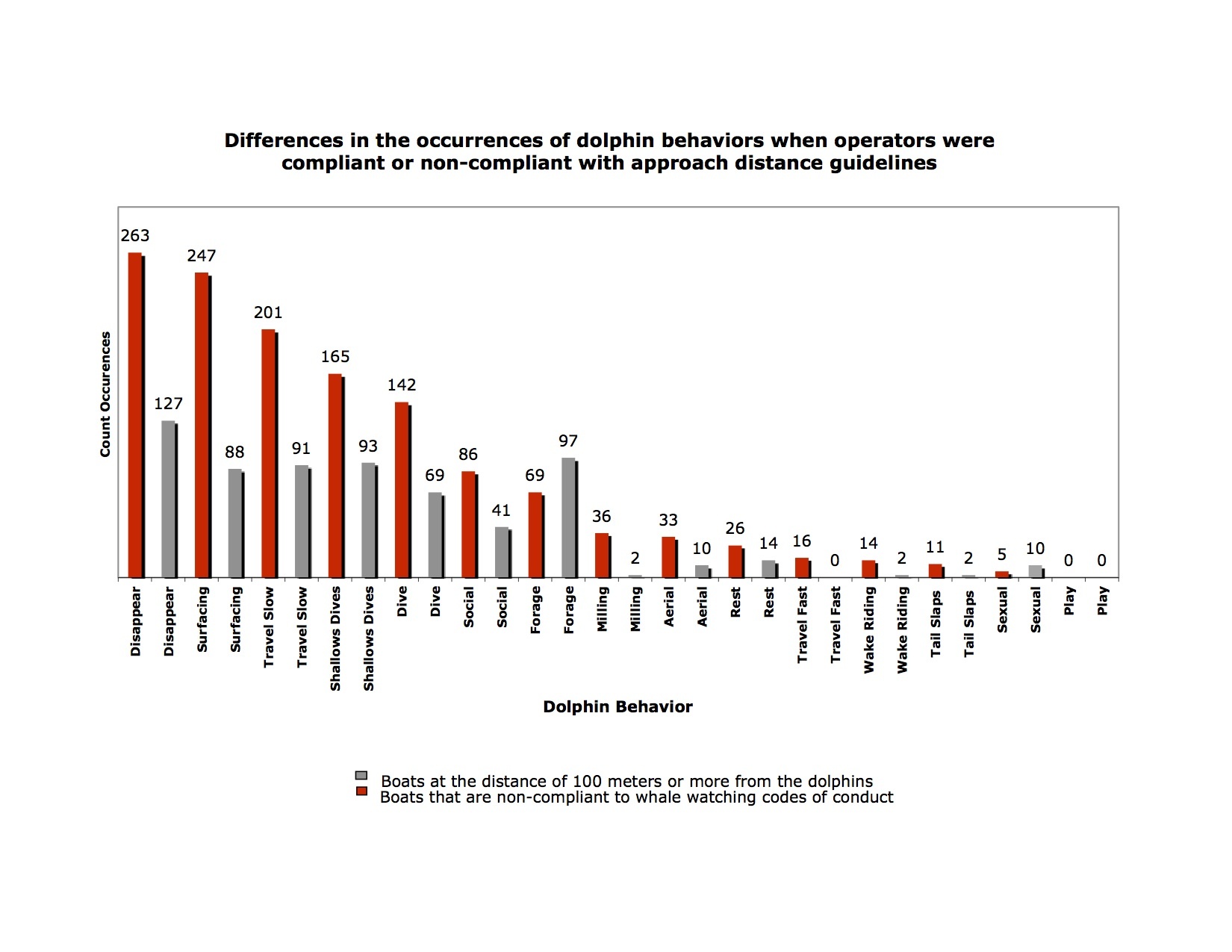
Studies focusing on the impact of dolphin watching vessels on dolphins’ behaviour have documented a change in vocalizations11,12 and a decrease in resting, socializing and feeding in the presence of boats, while traveling increased13,14. These short term impacts which lead to higher energy expenditure and reduced feeding and resting are likely to translate into long-term impacts on the population’s health and fitness13,15,16.
Regulation and Management
The Panamanian Government has enacted official regulations to manage whale-watching activities (via DM0530/2017, Republica de Panama Asamblea Nacional Legislacion de la Republica de Panama, 2007). These regulations stipulate that boats should not approach dolphin closer than 100 m, and that no more than two vessels should be within 100 m of a group of dolphins at any one time. However, there are no surveillance or enforcement measures in place in Bocas del Toro.
Boat drivers feel pressure to ensure that tourists see dolphins and that they get the perfect interaction and photo-opportunity, sometimes even allowing tourists to enter the water with the dolphins3. This results in high levels of non-compliance with the legal regulations. One study found that boats were closer than 100m to dolphins during 71% of the time that observations were conducted and that more than 2 vessels were present with one group of dolphins during 45% of observation time7. These findings, as well as observations of up to 40 vessels with one group of dolphins were made during the ‘low’ tourists season, and are likely to demonstrate even higher levels of non-compliance during high season4,7.
These same studies found that dolphins’ behaviour was less significantly altered when vessels complied with guidelines than when they did not3, providing some indication that the guidelines could be effective if they could be enforced and followed by all operators.
Lessons learned and recommendations for the future
The extreme crowding and pressure caused by dolphin watching to a small, genetically isolated population of bottlenose dolphins has caused great concern among the international research community. The issue has been the focus of discussions of the Scientific Committee of the International Whaling Commission17,18, and the Cetacean Specialist Group of the IUCN has sent letters of concern to the government of Panama. To date, the situation has not yet significantly improved, but a number of lessons learned and new initiatives point toward future mitigation measures:
- Interview surveys with tourists indicated that they too were concerned about the crowding of dolphins in Bocas del Toro. Of 128 tourist surveyed, 87% indicated that it was important for them to take a tour with an operator that was licensed; 92% indicated that it was important to them to have guides that were educated about dolphins; and 98% indicated that it was important to follow codes of conduct for dolphin watching2. This is highly significant, as when boat operators approach dolphins too closely or aggressively, they are usually doing so because they feel pressure to get their tourists good views and the perfect photo opportunity. They are unlikely to realize that the crowding and jostling may be having the opposite effect and leaving tourists with a negative impression. A quick scan of Trip Advisor reviews of dolphin watching in the area includes some low scores with review titles like ‘Dolphin Harassment’, ‘Dolphins among Boats’, ‘Chasing dolphins’ and ‘A lot of boats’19 .
- Community members are also concerned about the level of pressure on the local dolphin population. Of 154 community members interviewed, 94% felt that a conservation project was needed in Bocas del Toro, and 82% said that the community would be interested in participating in a conservation project. 92% were in favour of the creation of more marine protected areas in the area3.
- Of 15 boat operators that were interviewed all indicated that they would be keen to receive more training and support, and 80% said they would support politicians that were in favour of dolphin conservation. Yet all said they had approached dolphins to within less than 100m, and only 27% were aware that guidelines even existed20.
- A local research group, Panacetea, has been working to translate these research results into conservation action that may help to reduce pressure on dolphins. Elements of the conservation plan include:
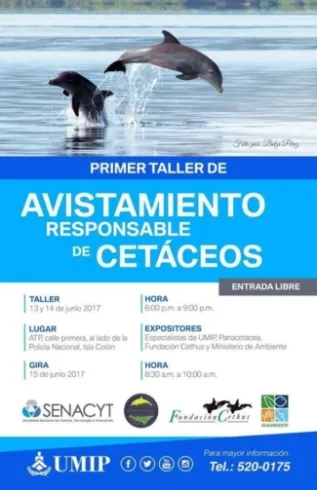
- A series of workshops to train boat drivers21. In addition to classroom sessions with information on codes of practice and boat-based sessions to demonstrate low-impact approaches, this training includes information the tourism survey results, to make drivers understand that tourists would rather have a peaceful and respectful encounter than contribute to harassment. Boat drivers are being encouraged to limit and stagger their times with dolphins, and to spend more time on other elements of the island/mangrove tours that many tourists enjoy just as much. Some of the boat based training sessions have been able to demonstrate to boat operators that they are actually more likely to give their tourists the perfect photo opportunity if they turn off their engines and wait for the dolphins to approach the boat (sometimes termed passive whale watching – as in this case study from Mexico) than if they chase the dolphins at high speeds.
- A proposal to build a Dolphin Center at the entrance to Dolphin Bay19: The bay is semi-enclosed, and a site has been identified at the mouth of the bay that all boats are obligated to pass to enter into the core dolphin watching area. In addition to hosting a visitor and information center with educational displays about the biodiversity of the area and the dolphins’ conservation needs, the center could serve as a central point to host workshops and training for boat drivers and community members. Perhaps most importantly, it could serve as a checkpoint for boat registration if additional management measures (see below) are introduced. Negotiations are already underway with local authorities to purchase the land and construct the center.
- A proposal to declare Dolphin bay as a protected area with a stricter set of speed limits for vessels, and more stringent regulations on dolphin watching activities in the bay. This could include a daily limit on how many vessels may enter the bay, a permitting system limiting the number of operators that can conduct dolphin watching in the bay, or requiring a minimum standard of training for drivers, and/or a park entry fee system that could help to fund the costs of administration for the center and other management measures. These measures could also include some form of monitoring and enforcement of the existing national regulations on dolphin watching, as research from other areas demonstrates that voluntary compliance with codes of conduct is often low22,23. A management model like that implemented in Samadai Reef in Egypt, that uses a combination of time area closures, zoning, approach guidelines, and park fees to fund surveillance and enforcement may serve as a useful model here.
For more information on research and conservation efforts in Bocas del Toro see:
http://www.panacetacea.org/dol...
For updates and new research published since this case study was drafted in 2018 see:
- A new paper publisehed in Biodiversity and Conservation: Tour boats affect the activity patterns of bottlenose dolphins (Tursiops truncatus) in Bocas del Toro, Panama